12 January 2026
Czech film in 2025
Czech film in 2025

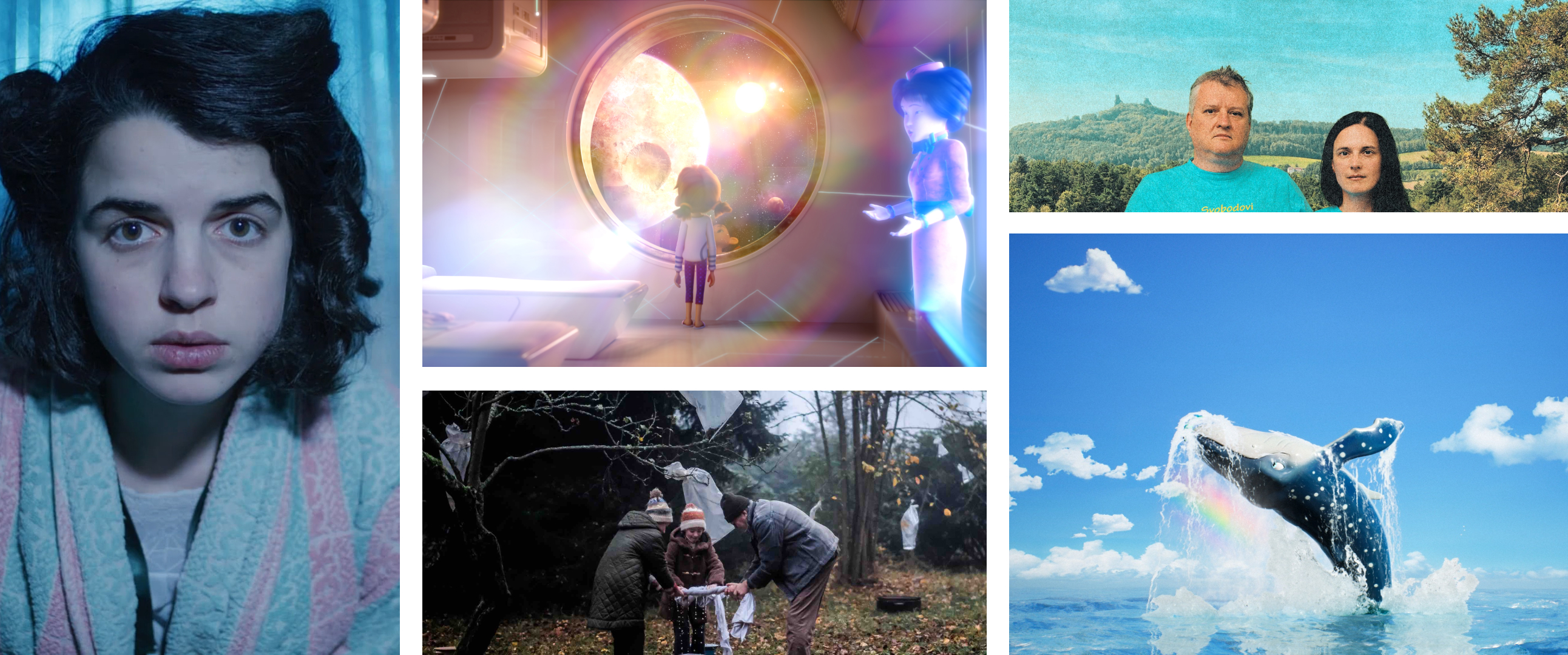
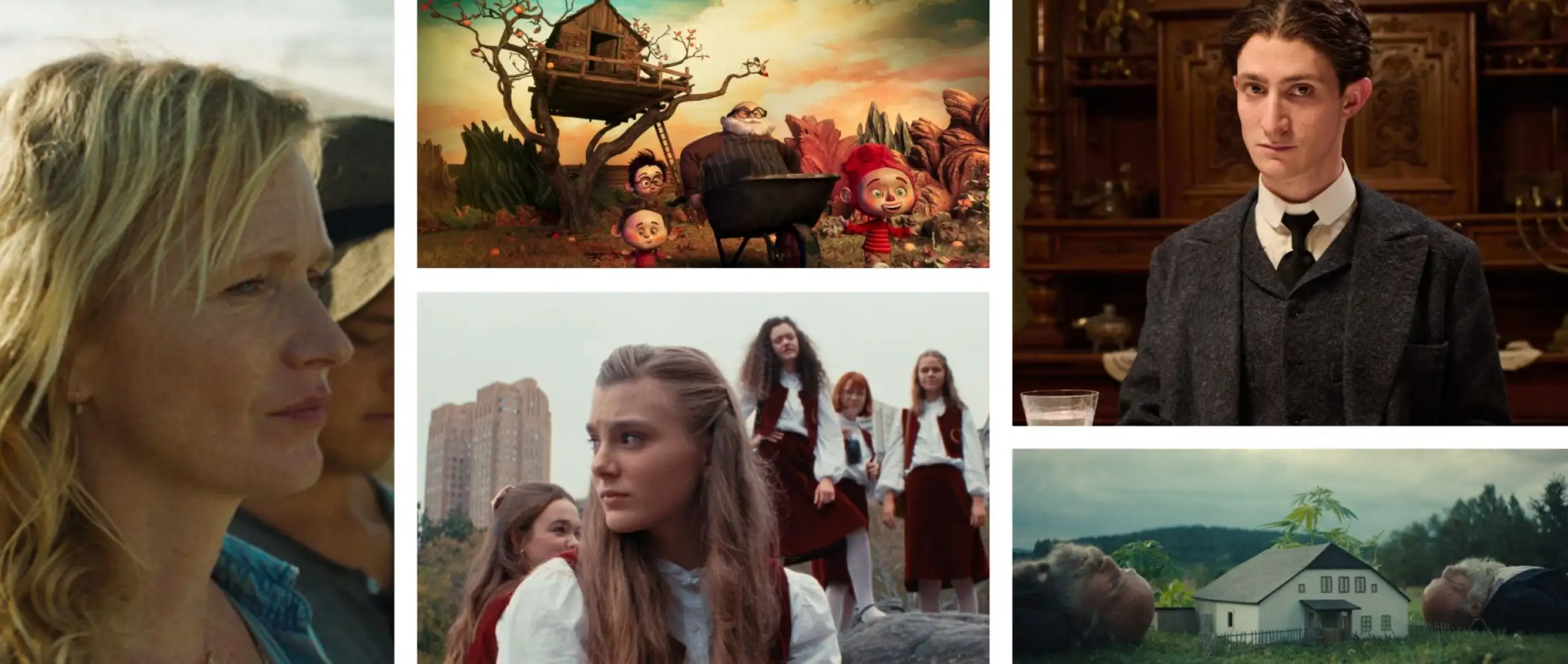
In 2025, dozens of high-quality Czech films of various formats and genres were produced, sparking interest at major international festivals including Sundance, Berlinale, Cannes, and Venice; furthermore, they received important awards both at home and abroad. Dramas resonated the most – both historical and contemporary – alongside documentary essays and animations for children and adults. There was also interest in ambitious projects by young male and female creators that cross established boundaries of genres and media forms, including projects in extended reality.
A special recognition for Czech audiovisual production was the nomination of three domestic films – two of them animated – to the shortlists for the Academy Awards. Despite heavy international competition, a number of last year's standout films can also boast interesting foreign sales. A total of 88 Czech films and co-productions entered Czech cinemas in 2025 – 49 live-action features, 36 documentaries, and 3 animated films.
A total of 88 Czech films and co-productions entered Czech cinemas in 2025 – 49 live-action features, 36 documentaries, and 3 animated films. The greatest audience success was recorded by the films Lavi 2: Scores Again (roughly 450,000 viewers), Do the Maeth (around 280,000), Cans for Life (around 250,000), or the pair of family films Princess Goldenhair (around 144,000) and Sugar Candy (approximately 136,000), to name but a few. In 2025, the Czech Film Fund successfully transformed into the Czech Audiovisual Fund and expanded its support to other areas – television and series production and, in the future, also video game projects, structured into 4 support categories; it appointed separate expert boards for each category as well as other supervisory bodies.
Under the new banner, the fund continued its partnership with major international festivals such as the Berlinale and Cannes throughout 2025. The end of the year then brought a change in the fund's leadership – long-time director Helena Bezděk Fraňková was replaced in this position by Veronika Slámová.
However, 2025 was not only a year of positive news and gains. During the year, Czech film lost several important personalities, such as actor and long-time director of the Karlovy Vary International Film Festival Jiří Bartoška, the legendary costume designer and set designer Theodor Pištěk, and cinematographer Vladimír Smutný (Kolya, Dark Blue World, or The Painted Bird).
Czech Films at Festivals
From the perspective of Czech film participation at important foreign festivals, 2025 will undoubtedly be recorded as one of the most prominent in a long time.
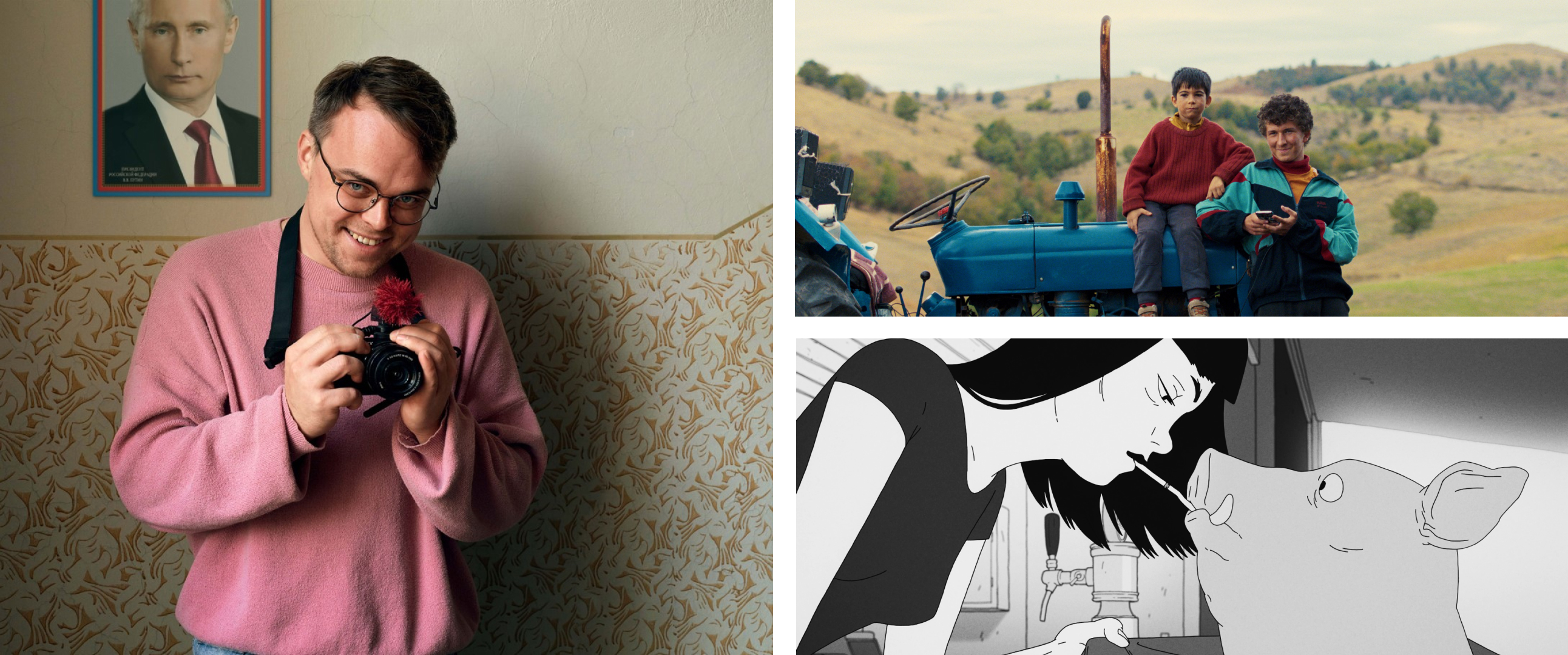
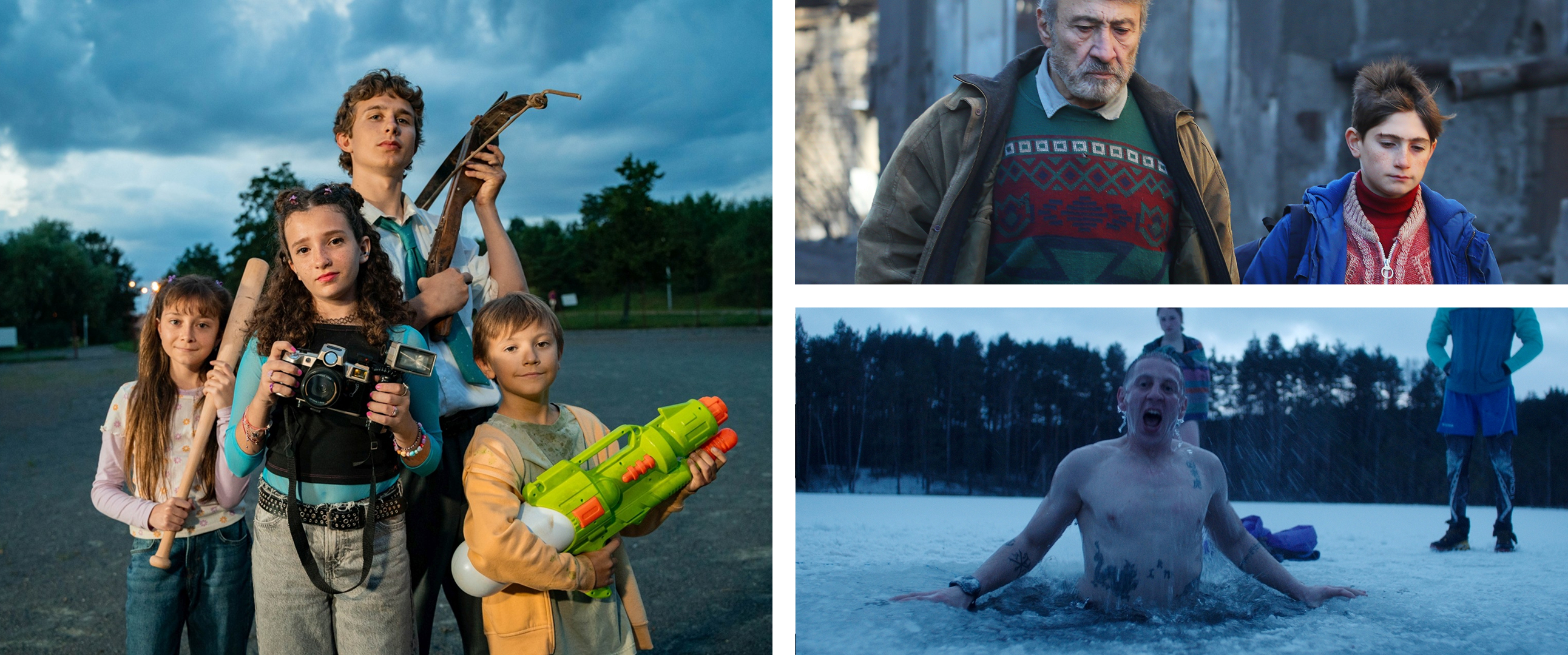
The year's first major festival, the North American Sundance, offered a strong trio of Czech films in its program. The world premiere of the co-production film DJ Ahmet (North Macedonia, Czech Republic, Serbia, Croatia) directed by Georgi Unkovski appeared in the World Cinema Dramatic Competition; it was created as a co-production between North Macedonian companies Cinema Futura and Sektor Film together with Czech companies Alter Vision and Analog Vision. However, Czech involvement extends beyond mere financing and brought creative and technical expertise to the production – the film was edited in the Czech Republic, and North Macedonian director Ivo Trajkov, who lives in the Czech Republic, supervised the script. The Danish-Czech documentary film Mr. Nobody Against Putin (Denmark, Czech Republic) by David Borenstein, one of the most screened Czech films of the past year, premiered in the World Cinema Documentary Competition. The film offers an unprecedented look at life in Putin's Russia through the eyes of Pavel Talankin, a teacher who accidentally became a documentarian. On the Czech side, the film was produced by Radovan Síbrt and Alžběta Karásková and co-produced by Petra Dobešová from the company PINK. Both films also won significant awards at Sundance – DJ Ahmet won the Audience Award for World Cinema Dramatic and Mr. Nobody Against Putin won the World Cinema Documentary Special Jury Award. In addition, Jan Saska's short animated film Hurikan (Czech Republic, France, Slovakia, Bosnia and Herzegovina) produced by Martin Vandas (MAUR film) and Kamila Dohnalová (Last Films) appeared in last year's Sundance program, specifically in the Short Film Program section. Hurricane began its highly successful festival journey a year earlier in Annecy, France.
Another major festival in the early part of the year, IFF Rotterdam, which focuses on emerging authors and innovative works from around the world, also presented three Czech films in 2025. The international premiere of the experimental animated film Medical Field Guide or Rules of Engagement with Native E-Girls appeared in the Short & Mid-length section; it was directed by Andran Abramjan and Jan Hofman and produced by Hana Blaha Šilarová from Frame Films. The successful co-production documentary Wishing on a Star (Italy, Slovakia, Czech Republic, Austria, Croatia) by Peter Kerekes, which premiered a year earlier at the Venice Film Festival, saw its Dutch premiere in Rotterdam, specifically in the Harbour section. The last film to appear in Rotterdam last year was Lukáš Bulava’s 2020 documentary Video Kings, featured in a special program section titled Hold Video in Your Hands.
As per tradition, Czech films were not missing from the short film festival in Clermont-Ferrand, France. Jan Saska's Hurikan and Anastasia Falileieva's I Died In Irpin (Czech Republic, Slovakia, Ukraine), produced by Alena Vandasová and Martin Vandas of MAUR film and the Slovak company Artichoke Production, competed for recognition in the International Competition. Medical Field Guide or Rules of Engagement with Native E-Girls by Andran Abramjan and Jan Hofman competed in the Lab Competition. The animated films Weeds by Polina Kazak and Hello Summer by Martin Smatana and Veronika Zacharová found their way into the Young Audience program. I Died in Irpin took home the award for Best Animation from the festival.
Czech films were also visible at the 75th Berlinale, where Czech audiovisuals have a long-standing tradition. The fantastical stop-motion anthology film Tales from the Magic Garden (Czech Republic, Slovakia, Slovenia, France), an adaptation of stories by Czech writer and playwright Arnošt Goldflam, appeared in the Generation Kplus program. The film is the result of cross-border cooperation between four producers and production companies: Martin Vandas (MAUR film) for the Czech Republic, Juraj Krásnohorský (Artichoke) for Slovakia, Kolja Saksida (ZVVIKS) for Slovenia, and Jean-Francois Le Corre (Vivement Lundi!) for France. This was reflected in the creative process, which involved directors and creative teams from all four countries. Animator and director David Súkup represented the Czech Republic, Patrik Pašš represented Slovakia, Leon Vidmar represented Slovenia, and Jean-Claude Rozec directed for France. The allegorical animated musical Stone of Destiny by Julie Černá saw its world premiere in the Berlinale Shorts section. The project by the young animator, illustrator, and student of the Academy of Arts, Architecture and Design in Prague (UMPRUM) explores themes of self-discovery, loneliness, and personal growth through lyrical storytelling. The film was produced by Kristina Husová of Pure Shore. The final film to fight its way into last year's Berlinale program was Vitaly Mansky’s war documentary Time to the Target (Latvia, Czech Republic, Ukraine); on the Czech side, it was co-produced by Filip Remunda from Hypermarket Film, who previously co-financed Mansky’s film Eastern Front, and also Jan Barta. The film, which captures life in the shadow of the Russian war in the director's hometown of Lviv, was world-premiered in the Forum section.
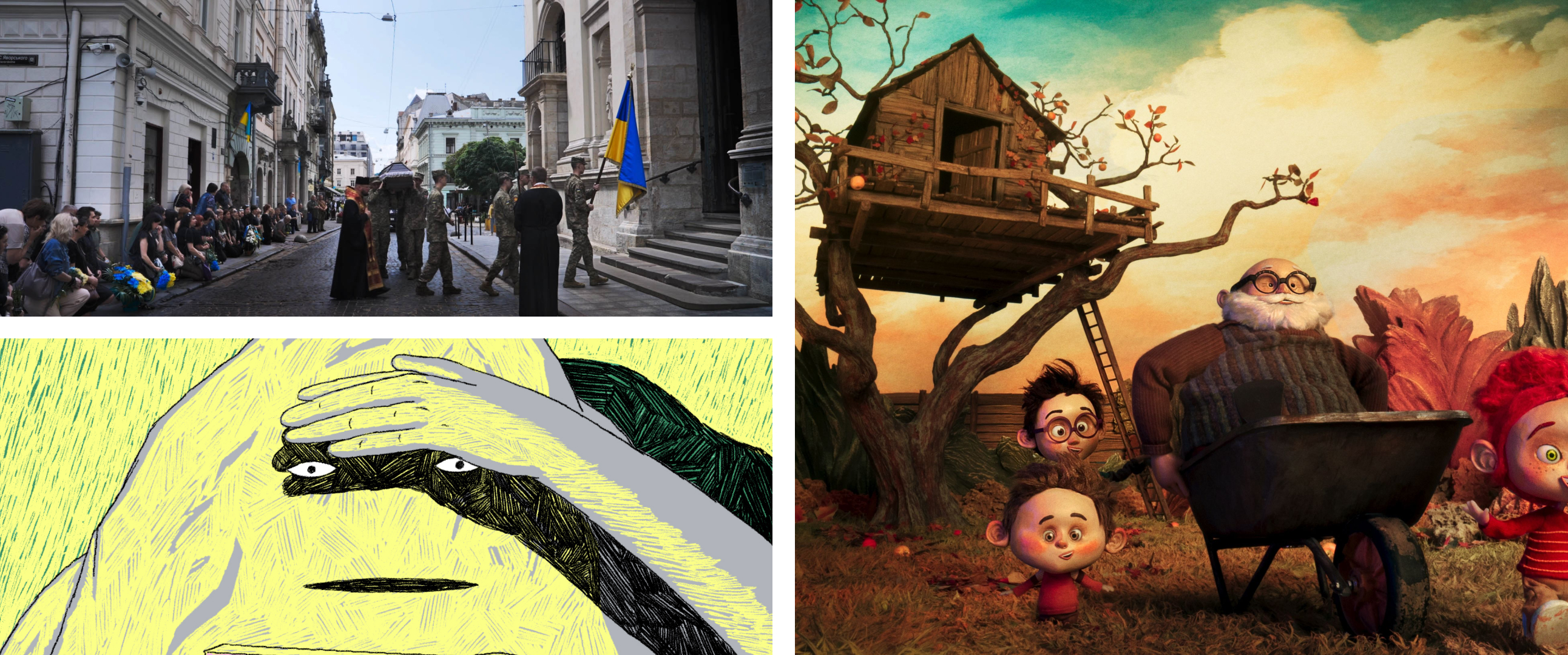
At CPH:DOX in Copenhagen in March, an important international platform for documentary film, the world premiere of the co-production film My Dear Théo (Poland, Czech Republic, Ukraine) by Ukrainian director Alisa Kovalenko took place in the DOX:AWARD section. On the Czech side, the film was financed by the co-production platform Ji.hlava / JB Films, a joint project of the Ji.hlava IDFF and producer Jan Barta.
Perhaps the most striking success of Czech cinematography last year was undoubtedly the selection of the film Caravan (Czech Republic, Slovakia, Italy) by Zuzana Kirchnerová into the official program of the world's most prestigious festival, Festival de Cannes. This poetic road movie produced by Dagmar Sedláčková of MasterFilm entered the Un Certain Regard competition section. The film was a Czech-Slovak-Italian co-production. The screening of Caravan in the festival's main program was a historic moment for Czech film. The last majority-Czech film screened in Cannes was Jan Švankmajer's surrealist film Faust in 1994. The only female Czech director to fight her way into the Cannes program before Zuzana Kirchnerová was Věra Chytilová with the film Fruit of Paradise, selected for the competition in 1970.
Fans of Czech animation were certainly also pleased by the last edition of the Annecy International Animation Film Festival, which is a vital European gathering for animation – and where Czech animation has had a consistently strong presence in recent years. Last year’s rich participation of Czech films in the program, following that of the year before, is a confirmation of the strong position of Czech animation on the world stage. Two Czech short films competed in the official Short Film Competition. The first was the stop-motion underwater musical 9 Million Colors, the latest work by animator Bára Anna, where she teamed up for the second time with production company Bionaut and producer Jakub Košťál. The second Czech competition representative was Atomik Tour, co-produced by MAUR film with the French company Vivement Lundi !. The director of the film, which focuses on the phenomenon of dark tourism, is Bruno Collet, whose previous short film Memorable received an Oscar nomination. The graduation film competition in Annecy welcomed Better Man, a short animated documentary by emerging director Eliška Jirásková, produced by her alma mater, FAMU. The film explores the relationship between bodybuilding and body perception through the testimonies of three men who turned to fitness as a response to past trauma. Visually, the film uses a comic book aesthetic that references hypermasculine archetypes in popular culture. The short animated spot Through the Eyes of Franz Kafka: Between Image and Language by Hanna Palamarchuk, created to promote an exhibition on the centenary of Franz Kafka's death, was also screened at the festival. The aforementioned film Tales from the Magic Garden was screened in the Contrechamp competition. Lastly, a Czech contribution in mixed reality appeared in the festival program – Fragile Home by Ondřej Moravec and Victoria Lopukhina, produced by Brainz Immersive, which premiered in the Venice Immersive section in 2024 and was screened in Annecy in the VR Works competition category. Fragile Home ultimately won two significant awards in Annecy: the Crystal for Best VR Work and the Festivals Connexion Award for VR works.
At the Vision du Réel festival in Nyon, Switzerland, which takes place every April, the Slovak documentary film Chronicle, directed by Martin Kollár, had its world premiere as part of the International Medium Length & Short Film Competitio. The film was co-produced by Klára Tasovská and Lukáš Kokeš from the Czech outfit Somatic Films.

The experimental existencial film Bardo (Czech Republic, Slovakia) by Slovak director Viera Čákanyová, produced on the Czech side by Matej Sotník (Somatic Films), premiered in the Flash competition at the French FIDMarseille festival in June, an important platform for "new cinematography". In later months of the year, the film also visited other major festivals, including the European documentary celebration IDFA in Amsterdam.
The largest domestic film festival, Karlovy Vary IFF, again offered a diverse selection of Czech films in 2025, many of which had their world premiere at the festival. Two Czech films were selected for the main Crystal Globe competition this year: Broken Voices (Czech Republic, Slovakia), the first solo feature film by Ondřej Provazník, and the documentary Better Go Mad in the Wild (Czech Republic, Slovakia) by Slovak director Miro Remo about people who became modern hermits of their own free will. Remo's film eventually became the recipient of the Crystal Globe, the Karlovy Vary festival's highest honor. The Proxima section presented the film The Other Side of Summer (Czech Republic, Croatia), the second feature film by Vojtěch Strakatý, whose debut After Party premiered at the Venice Film Festival the year before last, as well as the Slovak-Czech documentary Action Item (Slovakia, Czech Republic) by director Paula Ďurinová.
Also premiering in Karlovy Vary were the long-awaited feature debut of Dužan Duong, the Czech-Vietnamese film Summer School, 2001 (Czech Republic, Slovakia); the survey documentary The Czech Film Project by Marek Novák and Mikuláš Novotný; a cinematic edit of the globally successful medieval open-world RPG video game Kingdom Come: Deliverance II by Czech studio Warhorse; and two other Slovak-Czech co-productions: Katarína Gramatová's feature debut Promise I'll Be Fine, which premiered at the Tokyo Festival in 2024, and Petr Bebjak’s Duchoň, a biographical film about the popular Slovak singer Karol Duchoň. The Imagina section offered the world premiere of Ondřej Vavrečka’s new feature film 1+1+1 (Czech Republic, Slovakia). Finally, the FUTURE FRAMES: Generation NEXT of European Cinema program, organized by European Film Promotion (EFP), which includes the Czech Film Center, presented the world premiere of Terézie Halamová's short student film Dog and Wolf, produced by Natália Pavlove (Other Stories).
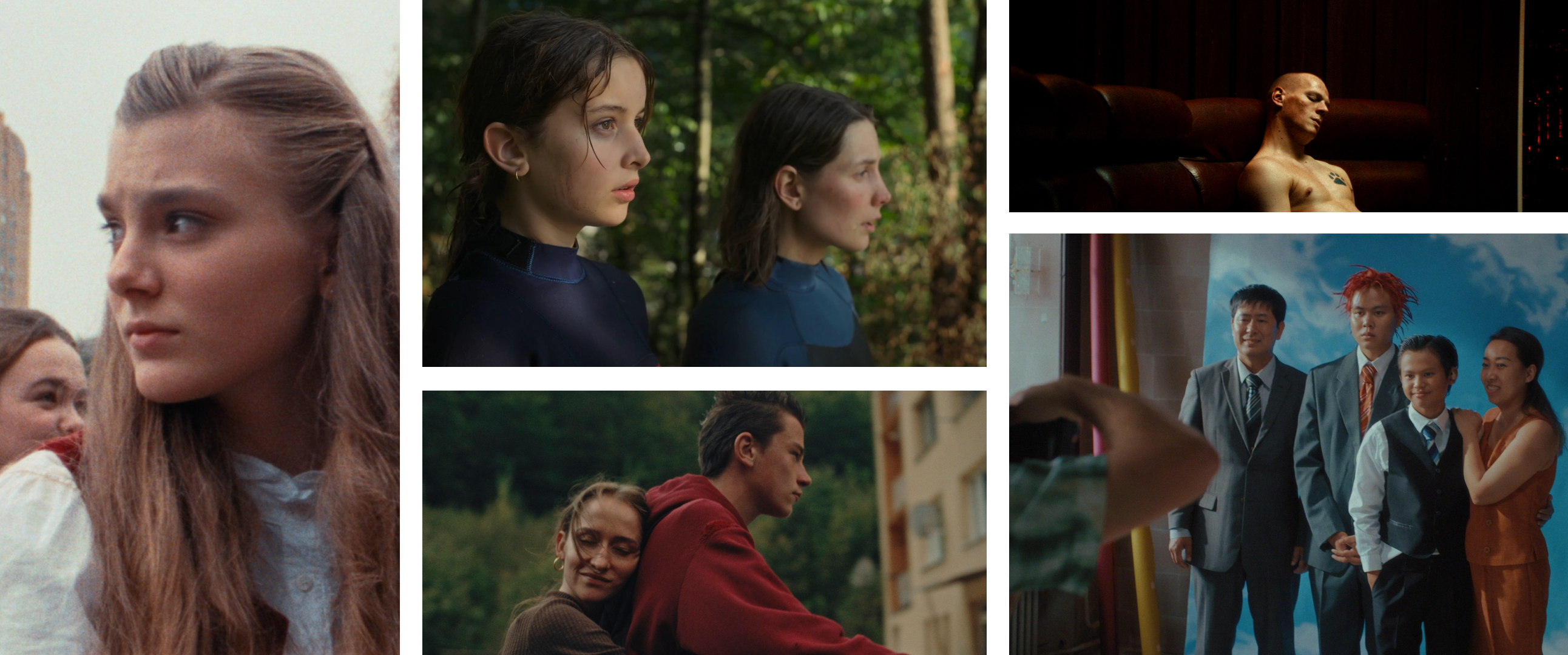
At the Locarno Film Festival in August, two Czech family feature films were presented as part of the Locarno Kids program: Ján Sebechlebský’s touching war story Secret Delivery (Czech Republic, Slovakia, Serbia), produced by Julietta Sichel of 8Heads Productions, along with the Czech minority co-production Pixie: New Beginning (Poland, Czech Republic) by Krzysztof Komander, a modern fantasy adventure. The latter was co-produced by Michal Sikora of Lonely Productions and Viktor Tauš of Heaven’s Gate. This selection followed last year's participation in the same program, where the films Living Large by Kristina Dufková and Block 5 by Slovenian director Klemen Dvornik were screened.
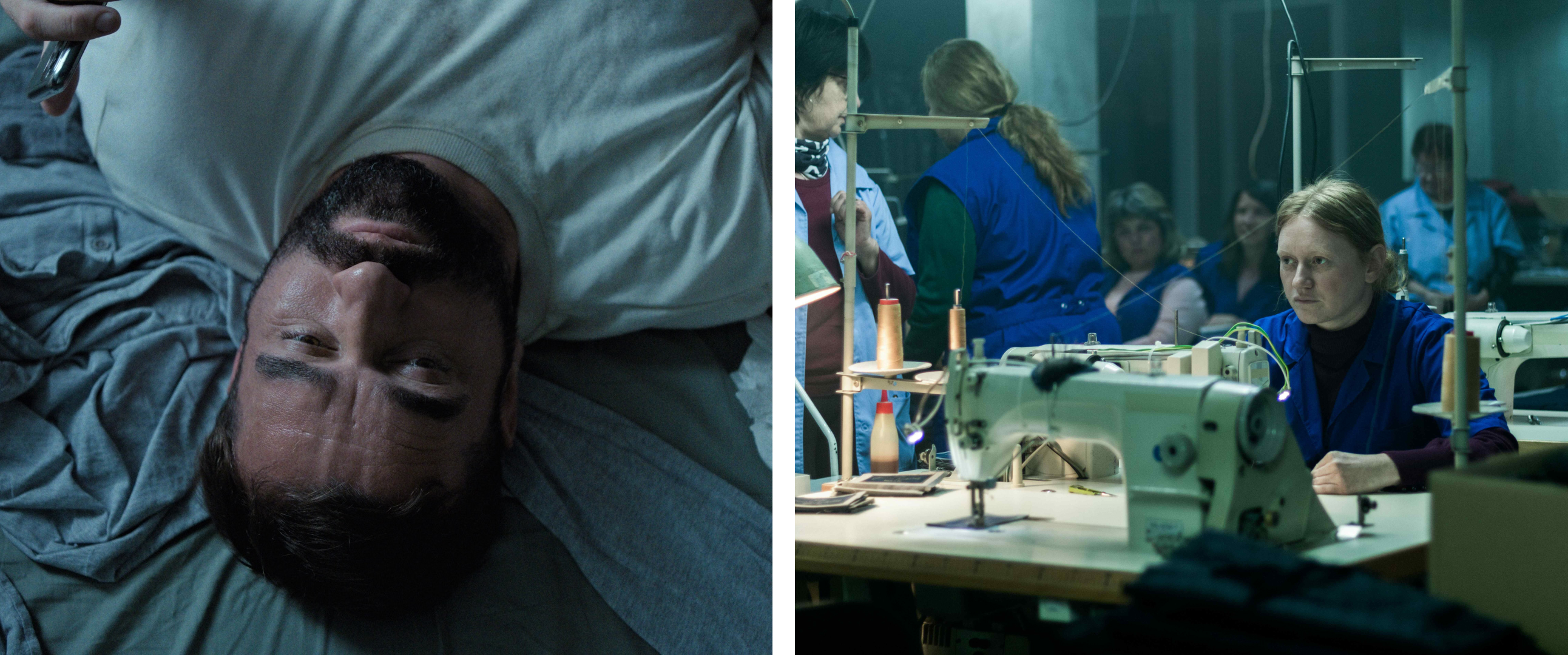
The world premieres of two feature films with a Czech co-production footprint were also presented at the renowned Venice Film Festival, which entered its 82nd year in 2025. Tereza Nvotová’s psychological drama Father (Slovakia, Czech Republic, Poland) debuted in the Orizzonti competition. The film was produced by Veronika Paštéková and Anton Škreko for DANAE Production (Slovakia) together with Karel Chvojka and Miloš Lochman from moloko film (Czech Republic) and the Polish company Lava Films. In the Spotlight section, Bulgarian director Stephan Komandarev presented the film Made in EU (Bulgaria, Germany, Czech Republic), a drama dealing with the exploitation of workers in the Bulgarian textile industry. On the Czech side, the film was co-produced by Pavel Strnad under the banner of Negativ. Sound design and final mixing for the film were provided in the Czech Republic by Martin Jílek from the company Soundsquare. Negativ is a long-term supporter of engaged international auteur cinema, as evidenced, for example, by its co-production participation in the film Lost Language (Israel, Poland, Czech Republic) by Mihal Brezis and Oded Binnun, which premiered at the Tribeca Festival in 2025.
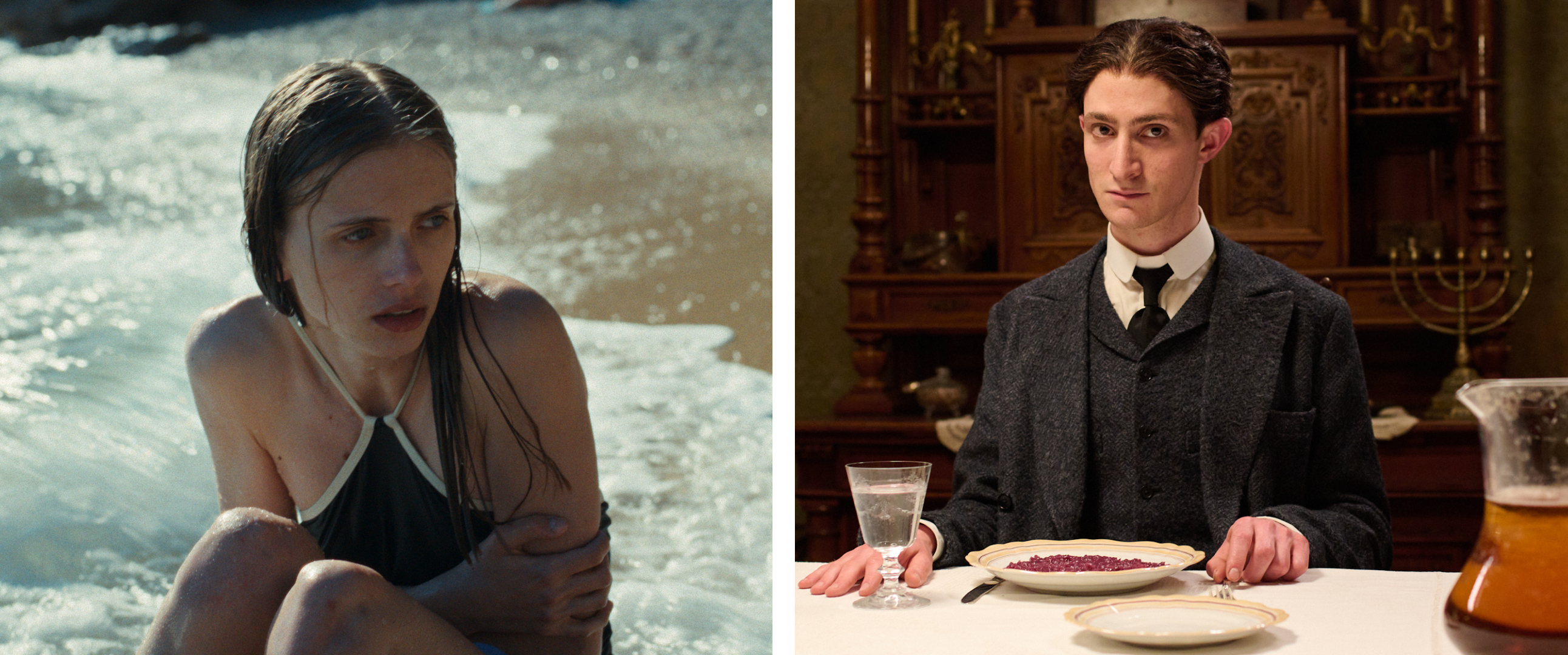
Czech cinematography also returned to the most prestigious film festival in North America, the Toronto International Film Festival, with the film Franz (Czech Republic, Germany, Poland) presented in the Special Presentations section, a kaleidoscopic portrait of Franz Kafka directed by Polish director Agnieszka Holland. The film deviates from the traditional biographical film framework and does not attempt to explain Kafka's life or literary legacy. Instead, it uses Kafka's fragmentary worldview as a creative method. Franz was produced by Šárka Cimbalová and Agnieszka Holland for Marlene Film Production (Czech Republic) in collaboration with X Filme Creative Pool (Germany) and Metro Films (Poland). The selection of Franz for the Toronto IFF program confirms that Toronto has become a stable platform over the past decade for presenting the growing international reputation of Czech cinematography—let us recall that in recent years, screenings in Toronto were also granted to Václav Marhoul’s The Painted Bird, Michal Blaško’s Victim, or the award-winning short films Daughter and Electra by Daria Kaščevová or Love, Dad by Diana Cam Van Nguyen.
At the 73rd edition of the International Film Festival in San Sebastian, Spain, Czech audiovision was represented in the main competition by the family drama Ungrateful Beings (Czech Republic, Slovakia, Poland, Slovenia, Croatia) directed by Olmo Omerzu, who debuted in San Sebastian ten years earlier with the film Family Film. Ungrateful Beings is a five-country co-production led by Jiří Konečný from Endorfilm. For this project, Konečný reunited with international partners from Omerzu's previous films, including Rok Biček of the Slovenian company Cvinger Films and Mariusz Włodarski and Marta Gmosińska of the Polish company Lava Films. Other co-producers include Michal Sikora from Lonely Production. Alongside Ungrateful Beings, Agnieszka Holland's Franz also had its European premiere at the festival (also in the main competition), a genre-defying impressionistic portrait of Franz Kafka and one of last year's most sought-after Czech films at the same time.
Czech films were also present at major festivals during the busy autumn festival season. The Warsaw Film Festival, which traditionally devotes significant space to new Czech film production, offered Tereza Nvotová’s Father, Ondřej Provazník’s Broken Voices, and Zuzana Kirchnerová’s Caravan in its official selection, all as Polish premieres. In addition, two minority Czech co-productions appeared at the festival in world and international premieres: Hunger Strike Breakfast (Lithuania, Czech Republic, Latvia) by Karolis Kaupinis with co-production participation by Mikuláš Novotný (Background Films) and Anorgasmia (Canada, Iceland, Czech Republic) by Jon Einarsson Gustafsson with Czech production representation in the person of Jakub Rálek (BFILM.cz). Slovak actor Milan Ondrík took home a Special Mention from the festival for his emotional acting performance in the Father.
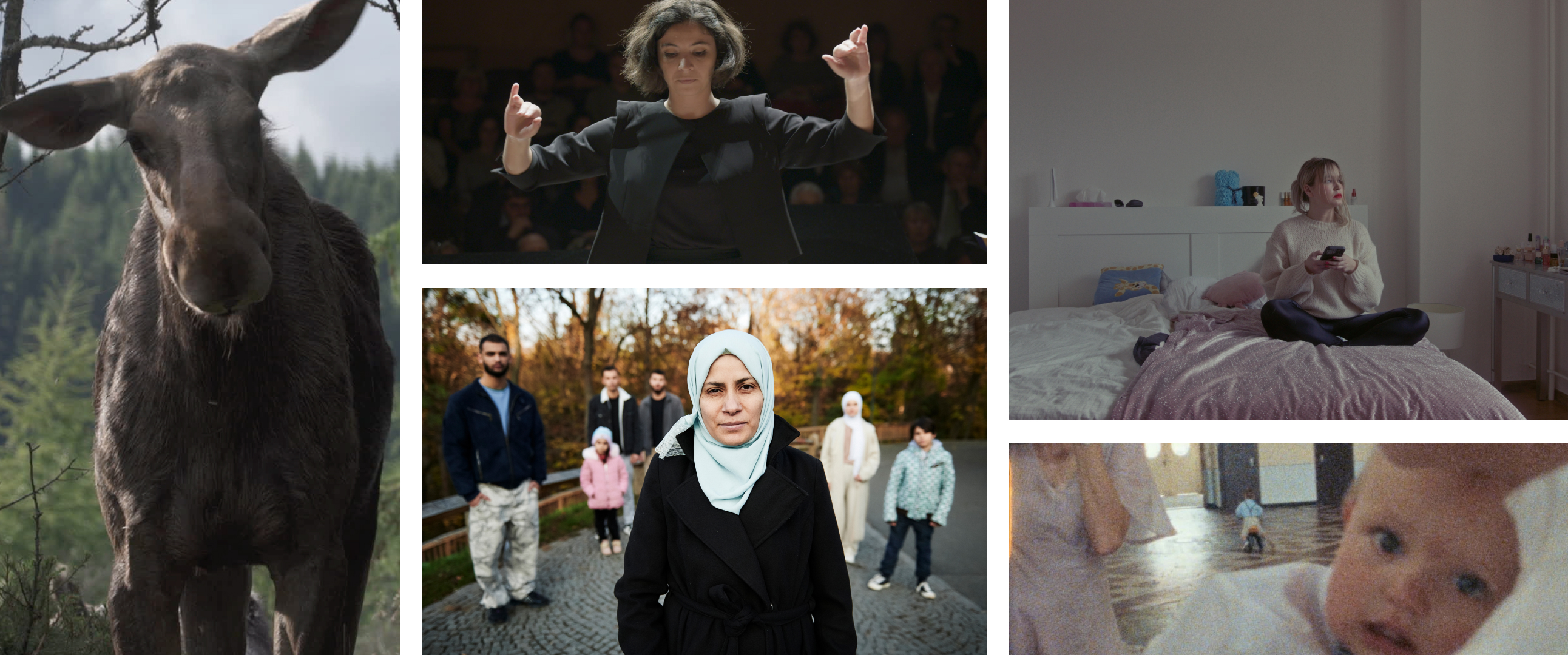
The Ji.hlava International Documentary Film Festival was a major event for both foreign and Czech documentarians. As in previous years, many Czech films saw their world premiere in Jihlava last year within the Czech Joy section. This year, it included the following films: Amira’s Children directed by Markéta Ekrt Válková and produced by Kateřina Černá of Negativ; Amoosed: A moose odyssey by Hana Nováková produced by Kateřina Traburová of LaDamplinque; Kaprálová by Petr Záruba produced by Alice Tabery (Cinepoint); Kingdom of Soap Bubbles by Taťána Marková produced by Jarmila Poláková and Jan Bodnár (Film & Sociology); Unborn Father by Michal Böhm produced by Zdeněk Holý of the company Vernes; Virtual Girlfriends by Barbora Chalupová produced by Pavla Klimešová of Helium Film; and finally Grolich the Great by Jakub Ondráček produced by Jakub Ondráček and Rebeka Fučíková of FAMU. Last year, a number of Czech films also took home significant awards from the Jihlava festival. Vitaly Mansky’s Time to the Target won the award for Best Czech Documentary Film in the Czech Joy section, Nebe Motýlová's tiny film about rape won Best Czech Experimental Documentary Film in the FASCINATION: EXPRMNTL.CZ section, and Mr. Nobody Against Putin received the Main Audience Award.
The 30th edition of the Busan International Film Festival in South Korea presented Agnieszka Holland’s Franz and the human rights documentary Panic Button by emerging filmmaker Samara Sagynbaeva to the Asian audience; the latter is a Kyrgyz-Czech documentary about freedom of speech in a post-Soviet political and social context co-produced by Veronika Janatková (Pandistan).
DOK Leipzig, renowned among world festivals for its unique combination of documentary and animated programming, offered the German premiere of Miro Remo’s Better Go Mad in the Wild last year, along with the Ukrainian-French-Czech co-production Queens of Joy by Olga Gibelinda, both in the audience competition.
Another important documentary festival, the International Documentary Film Festival Amsterdam (IDFA), hosted—in addition to the previously mentioned film Bardo – the world premiere of the feature documentary debut Blood Red by director Martin Imrich and producers Ondřej Šejnoha from FAMU and Vít Janeček from D1film in the Envisions competition.
In the program of the 29th edition of the Tallinn Black Nights Film Festival (PÖFF), a total of fifteen Czech films of various moods and formats were screened, three of them in world premieres. The minority Czech co-production The Moon Is a Father of Mine (Georgia, Germany, Luxembourg, Belgium, Czech Republic, Turkey) by director George Ovashvili, co-produced by Karla Stojáková of Axman Production, was presented at the Tallinn festival for the first time. Another minority world premiere, China Sea (Lithuania, Poland, Taiwan, Czech Republic) by Jurgis Matulevičius, co-produced by Jakub Košťál from Bionaut, competed in the Critics' Picks Competition. And finally, the 25th edition of the sub-festival Just Film, which specializes in films for children and youth, presented the family film The Bugaboo (Czech Republic, Slovakia) by Kateřina Karhánková and Tomáš Pavlíček as part of the competition program in its world premiere, produced by Jakub Mahler and Tomáš Michálek of the company MasterFilm.
Nominations and Awards
A major success for Czech animation and Czech film in general is the nomination of the feature animated film Tales from the Magic Garden (Czech Republic, Slovakia, Slovenia, France) for the European Film Awards in the categories of Best Animated Feature Film and Best Film. Alongside this, the Czech Republic received three more nominations for Agnieszka Holland’s unorthodox biographical film Franz, which earned a European Film Award nomination for German actor Idan Weiss in the Best European Actor category, for Michaela Horáčková Hořejší in the Best European Costume Designer category, and for Gabriela Poláková in the Best European Makeup and Hairstyling category. In total, Czech films garnered five nominations for the European Film Awards.
Czech animation recorded success at the 2025 European Animation Awards, also known as the Emile Awards. A pair of short animated films produced by MAUR film, I Died in Irpin (Czech Republic, Slovakia, Ukraine) by Ukrainian animator Anastasiia Falileieva and Joko (Poland, Germany, Czech Republic) by Polish animator Izabela Plucińska, won awards for Best of the Best (I Died in Irpin) and Best Character Design and Backgrounds (Joko) in the short film category.
A memorable recognition for Czech film is the nomination of the film Mr. Nobody Against Putin to the shortlist of the 98th Academy Awards in the Documentary Feature Film category. However, representatives of Czech animation are also not missing from the shortlists. The films Hurikan by Jan Saska and I Died In Irpin by Anastasiia Falileieva also made the shortlist in the Animated Short Film category. For the sake of completeness, let us add that the Czech Republic sent Klára Tasovská’s documentary film I'm Not Everything I Want to Be into the battle for the Oscars last year. Three other films received nominations for Poland (Franz), Slovakia (Father), and Denmark (Mr. Nobody Against Putin).
One of the two most important national awards in the audiovisual field, the Czech Film Critics' Awards, which the Czech Film Critics' Association annually awards to prominent Czech film and television achievements of the past year and their creators, named Girl America as the Best Czech Film for 2024. The film by director and producer Viktor Tauš picked up a total of three statuettes during the evening of the 15th Czech Film Critics' Awards; another two went to Veronika Lišková’s live-action feature debut Year of the Widow. In total, seven works were awarded, including one television series.
At the 32nd Czech Lion ceremony in March 2025, Jiří Mádl’s historical drama Waves dominated, winning the award for Best Film and five other awards, including awards for Best Director and Best Screenplay. The award for Best Documentary Film went to Klára Tasovská’s portrait documentary I'm Not Everything I Want to Be, and Pavla Beretová won the award for Best Actress in a Leading Role for Year of the Widow. The Magnesia Award for Best Student Film, whose partner is also the Czech Audiovisual Fund, was awarded to Polina Kazak for the animated short film Weeds.
Foreign Sales of Czech Films
Several Czech films were also successful in the area of foreign sales in 2025.
By far the greatest reach was achieved by Agnieszka Holland's Franz, which was sold to the following territories: Australia and New Zealand (Sharmill Films), Baltics (Kino Pavasaris), Benelux countries (September Film), Bulgaria (Cinelibri), Balkan countries (MCF Megacom), Greece and Cyprus (Cinobo), Hungary (Vertigo), Iceland (Bio Paradis), Italy (Movies Inspired), Japan (Medallion Media), Latin America (Great Movies Distribution), North America (Cohen Media Group), Portugal (No Comboio), Romania (Independenta Film), Scandinavian countries (Future Film), Spain (Filmin), Taiwan (Andrews Film), and Ukraine (Arthouse Traffic).
Zuzana Kirchnerová's Caravan can also boast successful international distribution. It was sold to the following countries: France (Les Alchimistes), Greece and Cyprus (Ama Films), Spain (Reverso Films), Slovenia, Bosnia and Herzegovina, Croatia, Kosovo, Macedonia, Montenegro, Serbia, and Albania (Fivia). HBO acquired streaming broadcast rights for the following countries: Albania, Czech Republic, Slovakia, Hungary, Poland, Romania, Moldova, Croatia, Slovenia, Serbia, Kosovo, Montenegro, Bosnia and Herzegovina, North Macedonia, and Bulgaria.
Tereza Nvotová's Father also had wide distribution coverage, reaching the following territories: Italy and Malta (Fandango Distribution), France (Epicentre Films), Spain and Andorra (Reverso Films), Baltic countries (Kino Pavasaris), Greece and Cyprus (Cinobo), Benelux countries (Arti Film), and Turkey and Cyprus (Kinova Art).
Ondřej Provazník’s Broken Voices was sold to Spain and Andorra (A Contracorriente), Portugal (Projectos Paralelos), Hungary (Pannonia), Poland (Live In Cinema), and Japan (Crépuscule Films).
The animated film Tales from the Magic Garden directed by David Súkup, Patrik Pašš, Leon Vidmar, and Jean-Claude Rozec was sold to Indonesia (Falcon), Spain and Andorra (Pack Magic), Croatia (Hulahop), Lithuania (Skalvijos kino Centras), Latvia (Riga IFF), Italy (Trent Film), Benelux (Periscoop Film), and Latin American countries—Chile, Peru, Argentina, Colombia, Ecuador, Uruguay, Paraguay, Bolivia, Brazil, Mexico, Belize, Costa Rica, El Salvador, Guatemala, Honduras, and Nicaragua (Cinetopia).
Czech Film at International Industry Events
A number of upcoming Czech films of diverse genres were presented to an international professional audience at important industry events and gatherings during the year.
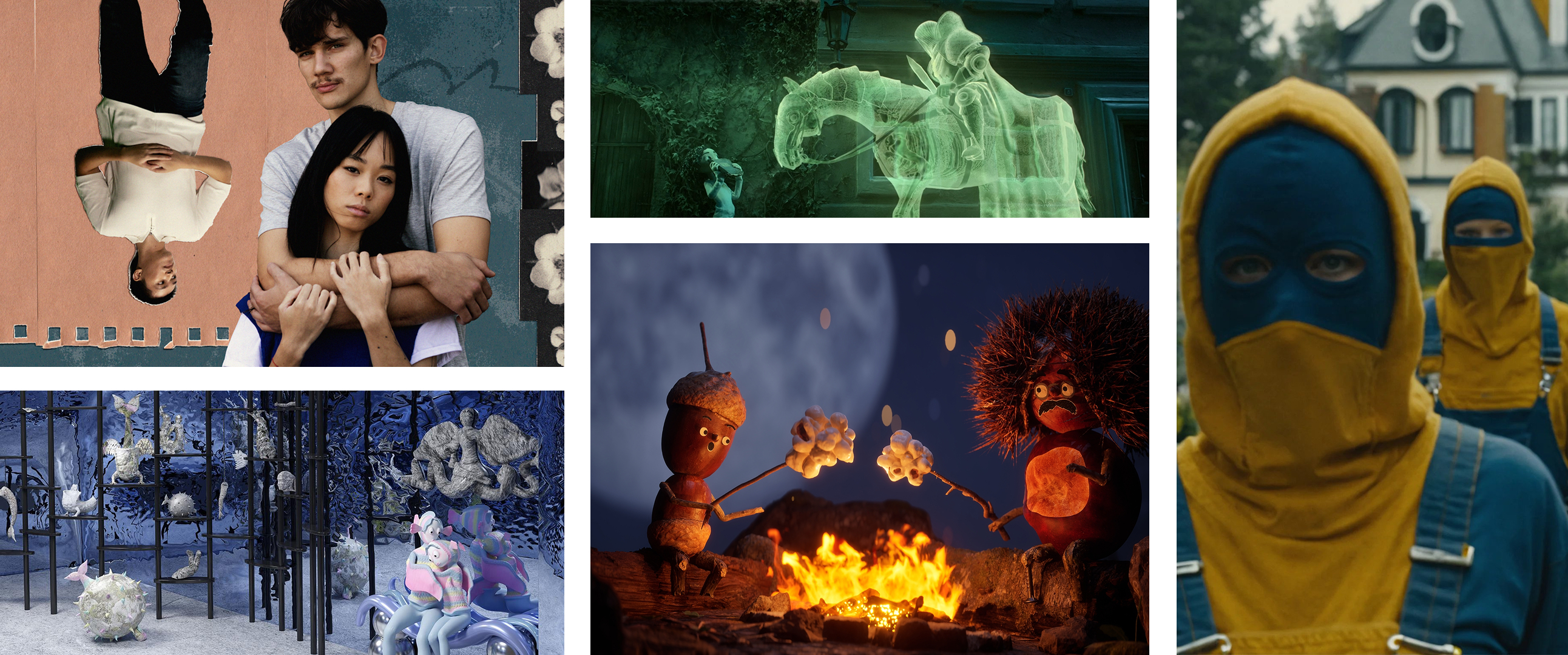
At the 42nd edition of the CineMart co-production market, which takes place within the Rotterdam Film Festival, Czech-Vietnamese filmmaker Diana Cam Van Nguyen presented the tender romantic drama Inbetween Worlds, her debut feature project that combines collage animation with live-action elements. The film is produced by Karolína Davidová of the company 13ka in collaboration with France’s Arte France and with the support of The French National Centre of Cinema (CNC).
At the EuroConnection co-production forum within the Clermont-Ferrand short film festival, the projects The Mermaid Effect (Czech Republic, France) by director Markéta Magidová, produced by Martin Vandas from the company MAUR film, and the Slovak short film Last Night of the Year (Slovakia, Czech Republic) by director and screenwriter Ivana Hucíková, co-produced on the Czech side by Natália Pavlove from the company Other Stories, were presented to a professional audience.
To the Berlinale Co-Production Market, the production company nutprodukce brought the six-part true crime miniseries Our People directed by the award-winning Tereza Nvotová . nutprodukce thus followed up on its success from previous years, when it presented the miniseries Suspicion, which became the first ever miniseries from Central and Eastern Europe presented at the largest German film festival. The script for the miniseries was written by Miro Šifra, who is also the author of the screenplay for the film We Have Never Been Modern directed by Matěj Chlupáček.
At CARTOON MOVIE, a co-production market specializing in animated feature projects held in March in Bordeaux, France, the Czech project Timelessness (Czech Republic, France) by Denisa Grimmová and Jan Bubeníček appeared; it is produced on the Czech side by the company Hausboot (Czech Republic) in collaboration with France's Les Films du Cygne.
Several Czech film and television projects were presented last year at the Bulgarian Sofia Meetings, an industry platform and co-production market within the Sofia festival. The Works in Progress section, aimed at presenting works in development to sales agents, distributors, and festival representatives, featured Šimon Holý’s new feature film Chica Checa, produced by Alžběta Janáčková of SilkFilms, as well as the minority co-production The Moon Is a Father of Mine by director George Ovashvili, produced on the Czech side by Karla Stojáková of Axman Production. The main Sofia Meetings pitching session presented the Czech Film Springboard project Hotel Moldau by Jan Švejkar, produced by Petr Oplatka of Stairway Films, alongside the television series Forest Whisper by Damián Vondrášek, also produced by Petr Oplatka of Stairway Films.
The Short Film Sessions program at last year's Brussels CoProMarket, the industry part of the Brussels Short Film Festival, presented one project from the Czech Republic: Empty House by director Sheida Sheikhha, produced by Apoorva Satish from the company Off Beat Films.
At the Annecy's Mifa, two Czech projects were selected for the Mifa Pitches program, a key platform for presenting original animated works in development. The first project was Acorn’s Adventure by Filip Mašek, whose premiere is scheduled for 2027. The film, created using 3D animation with the Unreal Engine programming language, was produced by Pure Shore in collaboration with moloko film and Fabian&Fred. Another Czech project is the animated political drama The Northern Star, which follows the emotional journey of a seventeen-year-old North Korean refugee adjusting to life in South Korea. The film is co-produced by the Czech studio Hausboot and the French company Les Films du Cygne, whose previous collaboration, the feature film Even Mice Belong in Heaven, premiered in Annecy in 2021. The story of the film The Northern Star is based on the non-fiction book of the same name by Czech Koreanist and author Nina Špitálníková.
Sisters, an upcoming documentary film by director Tereza Bernátková, produced by Dagmar Sedláčková and Natália Pavlove for the company MasterFilm, was selected among 35 projects for the prestigious DOK Co-Pro Market program, an international platform within the DOK Leipzig festival. The Agora Crossroads co-production forum, which takes place within the Thessaloniki International Film Festival, presented the film In Good Faith by director Anna Wowra, produced by Julie Soffer from the company Perfilm.
A number of Czech film professionals also participated in the Connecting Cottbus co-production market, held during the IFF in Cottbus, Germany. Within the cocoPITCH project selection, the Czech-Slovak project Attention Whores by Alica Bednáriková was presented to a professional audience; it is produced on the Czech side by Valeria Borkovcová and Tomáš Hrubý from nutprodukce. The project won two awards there: The Producers Network Award and The MIDPOINT Institute Consulting Award. The cocoWIP selection then offered three more Czech projects: Monarch (Romania, Czech Republic, France) directed by Dan Radu Mihai, co-produced on the Czech side by Julietta Sichel from 8Heads Productions; Exchanges (North Macedonia, Czech Republic, Bosnia and Herzegovina, Bulgaria) directed by Gjorce Stavreski with Czech co-production participation by Alžběta Janáčková from SilkFilms; and finally The Champion by Bohdan Karásek, produced by Ondřej Lukeš from Beginner's Mind.
The Baltic Event Co-Production Market at Industry Tallinn presented four Czech projects last year: No Salvation Coming, the third feature film by Vojtěch Strakatý, which was recently presented as part of our Czech Film Springboard program; The Hour Between Dog and Wolf by Terézie Halamová, the feature-length continuation of her short film Dog and Wolf; the television series Moloch Files by Lukáš Hanulák; and the television series Frontwards by Michal Kollár. Jan Čadek, the producer of the film No Salvation Coming, won The Producers Network Prize at the event.
The upcoming documentary film La Mona by director Nadja Drost, produced by Michal Sikora from the company Lonely Production, was presented within the dok.incubator pitching program at the IDFA festival. The project, following the life of a young woman who becomes a leader of FARC rebels in Colombia, won a post-production award worth €6,500.
Let us add that the Czech Film Center, a department of the Czech Audiovisual Fund, also concluded several important partnerships and collaborations in 2025 that significantly strengthened the presentation of Czech audiovisuals abroad—whether through specific films or thematic focuses, or through professional events and the participation of Czech producers in international events. Specifically, these were partnerships with the Inspirational labs platform at the When East Meets West co-production market in Trieste, the Göteborg Film Festival, the Berlinale Co-Production Market and Berlinale Series Market, the Series Mania festival, the Producers Network and AnimationDay platforms at the Marché du Film in Cannes, the Frankfurter Buchmesse book fair, the Les Arcs Industry Village at the festival in Les Arcs, or with the Basque short and documentary film festival Zinebi, where a generous retrospective of Czech animation took place last year.
Visibility for Czech film was also achieved thanks to the Czech Film Center's long-term membership in the European Film Promotion (EFP) organization. Among other things, EFP co-organizes the FUTURE FRAMES program at the Karlovy Vary festival (last year, Terézie Halamová’s short film Dog and Wolf was presented here) or the international program EUROPE!. Voices of Women+ in Film, whose goal is to lend a voice to female European creators on the international scene and which currently takes place in collaboration with festivals in Sydney, Busan, and with the Festival do Rio in Brazil. Within the second mentioned program, Agnieszka Holland with Franz and Tereza Nvotová with Father appeared last year. Through its Film Sales Support program, which provides grants to European distribution companies for the promotion and sale of European films on non-European markets, EFP supported the Czech majority and co-production films Caravan, Franz, DJ Ahmet, and Wet Monday with a total amount of €17,403.
International Support and Films Before Completion
Cowgirl, an upcoming feature project by Michal Blaško produced on the Czech side by Tomáš Hrubý from the company nutprodukce, received co-production support from the Eurimages fund in the amount of €240,000 in 2025. The film, set in the Slovak countryside, plays out a coming-of-age drama with distinct socio-critical overtones on a western framework and will see its release this year.
In 2026, however, a number of other expected Czech films will hit cinema screens: the time-lapse documentary Bára B. by the legendary director Helena Třeštíková produced by Pavel Strnad and Kateřina Černá (Negativ); the summer tragicomedy Bohemian Paradise about the loss and rediscovery of family understanding directed by Adam Koloman Rybanský and produced by Pavel and Eva Váchová from the company Bratři; Backwoods by Evženie Brabcová, an existential grotesque about building and tearing down family myths, love, memory, and transience produced by Jakub Rálek (BFILM.cz); the satirical black comedy Animal, the feature debut of Milada Těšitelová produced by Julie Marková Žáčková (NOCHI FILM); the comedy Don't You Know It's Different for Girls (working title) by David Ondříček produced by the company Lucky Man Films; the Slovak-Czech drama The Spring by Ivan Ostrochovský produced on the Czech side by Pavel Strnad and Petr Oukropec from the company Negativ; the grand Czech-German animated adventure The Last Whale Singer, directed by Reza Memari and produced by Jiří Mika from the company PFX; the family animated film Born in the Jungle by Edmunds Jansons with Czech production participation by Vladimír Lhoták (Hausboot); the feature-length Czech-Croatian animated film The Crystal Planet by Arsen Anton Ostojić produced by Petr Horák from Alkay Animation Prague; as well as the biographical documentary essay If Pigeons Turned to Gold produced by Klára Mamojková and Wanda Kaprálová (CLAW films), in which director Pepa Lubojacki follows the lives of four members of one family whose similarly experienced past has grown into fundamentally differing presents; or the impressive ethnozoological documentary Amoosed: A moose odyssey by Hana Nováková, a dive into the ambiguous tangle of human-elk relationships, which was production-guaranteed by Kateřina Traburová from the company LaDamplinque.